Best No-Pull Dog Harnesses for Calmer Walks
The best no-pull dog harnesses for dogs who pull, plus how front clips work, how to measure and fit one, and how to pair it with loose-leash training.
 Jay Newman
The best no-pull dog harnesses for dogs who pull, plus how front clips work, how to measure and fit one, and how to pair it with loose-leash training.
Compare the best dog training platforms and place cots, learn how to size one for your dog, and teach a calm, reliable place cue with rewards.
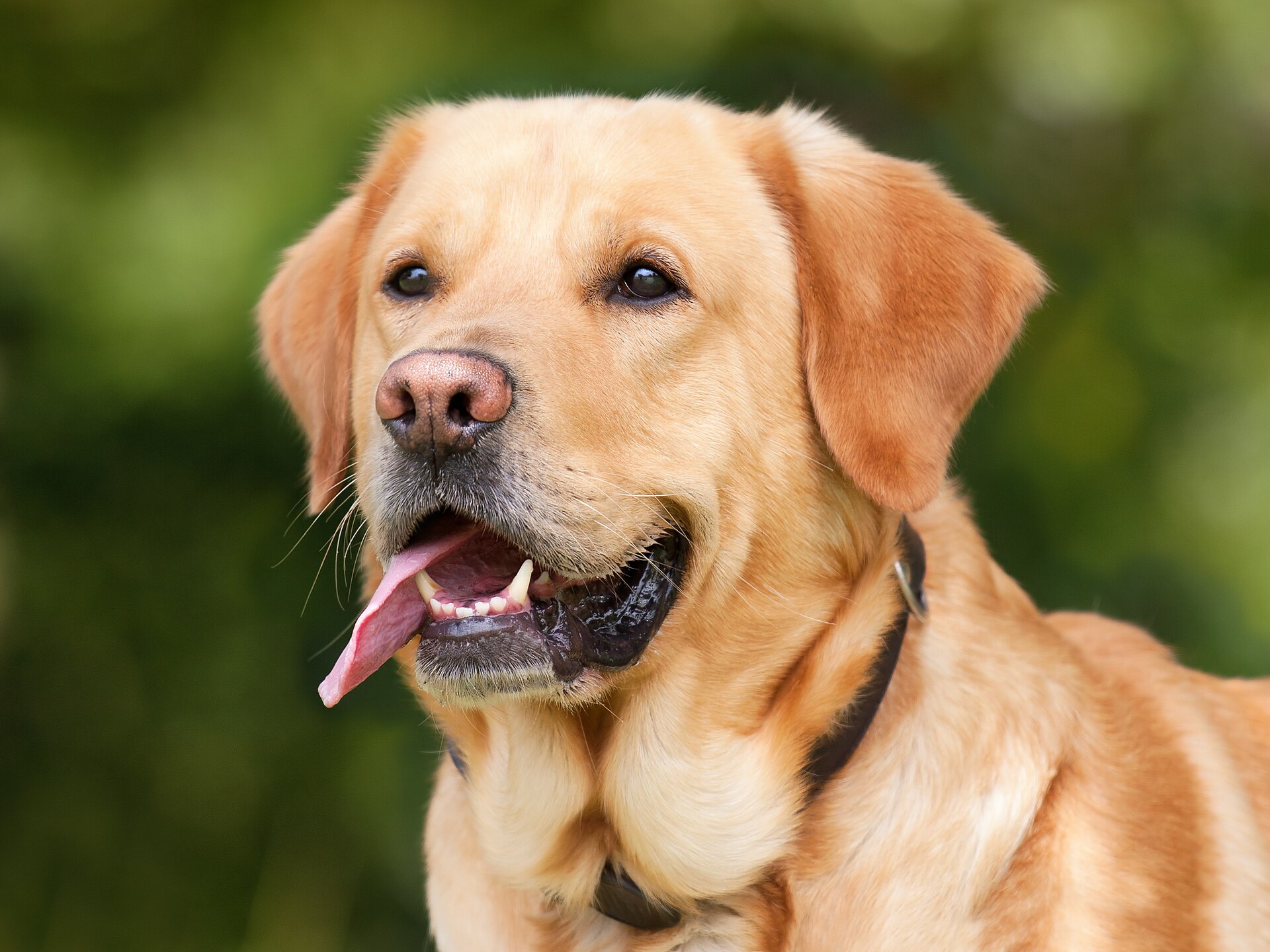
Labs are quick learners with big enthusiasm. Here is how to train a Lab puppy or adult Lab with reward-based sessions, a plan by age, and fetch games.
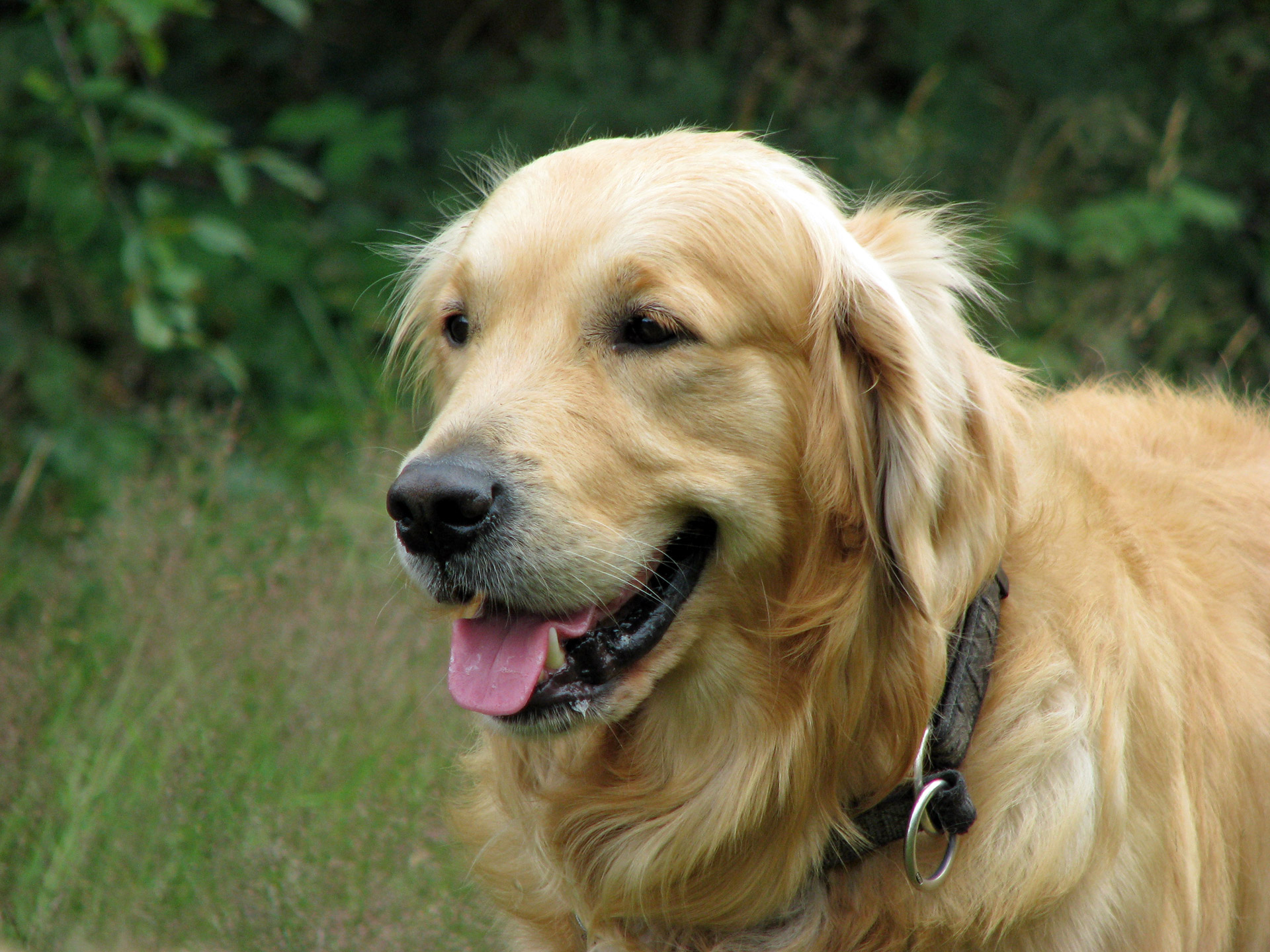
Goldens are eager, quick learners with lots of enthusiasm. Here is how to channel it into calm manners using food, fetch, and a training plan by age.
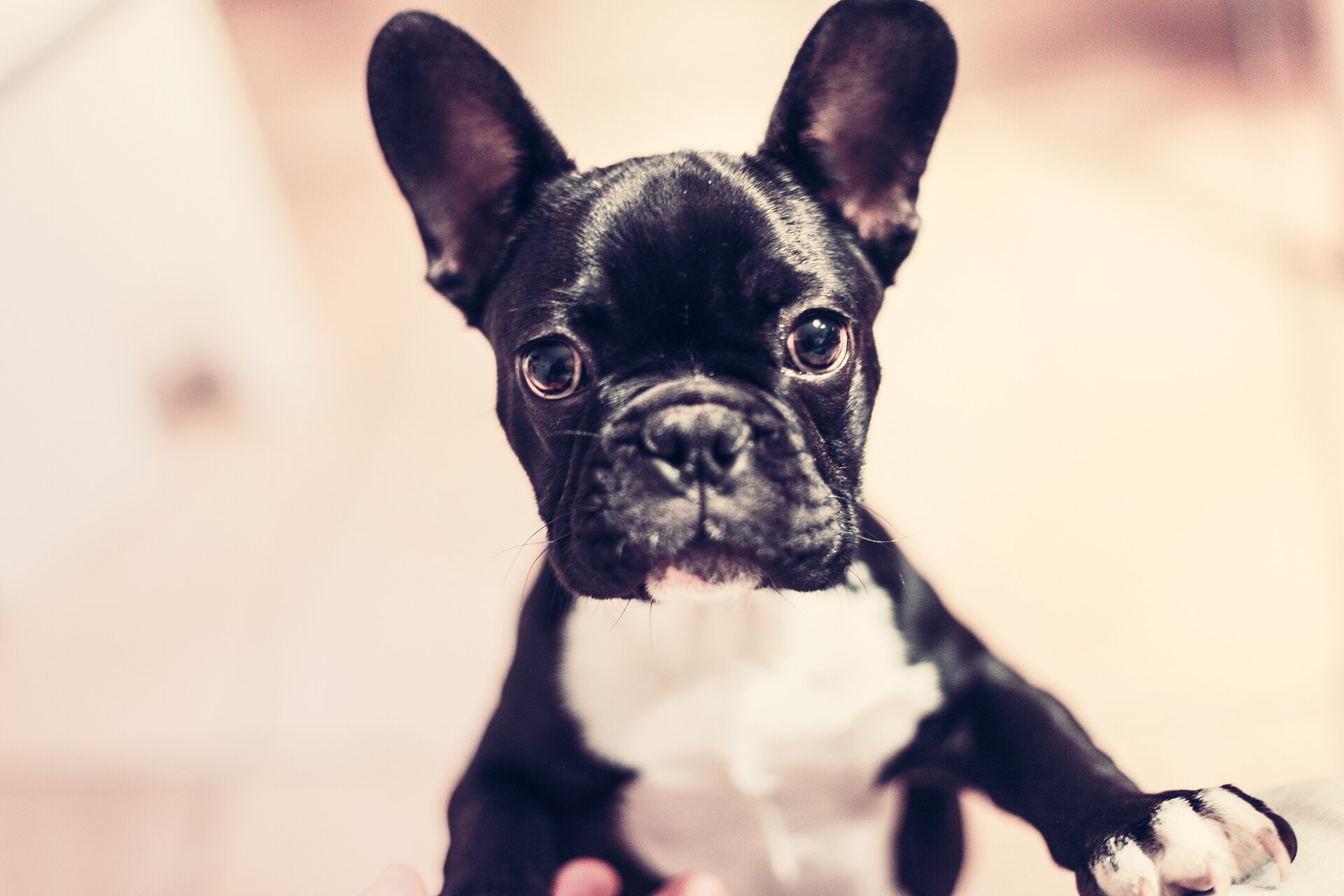
Frenchies are people-loving companions with a stubborn streak. Learn how to train one with short, fun, reward-based sessions and a clear plan by age.
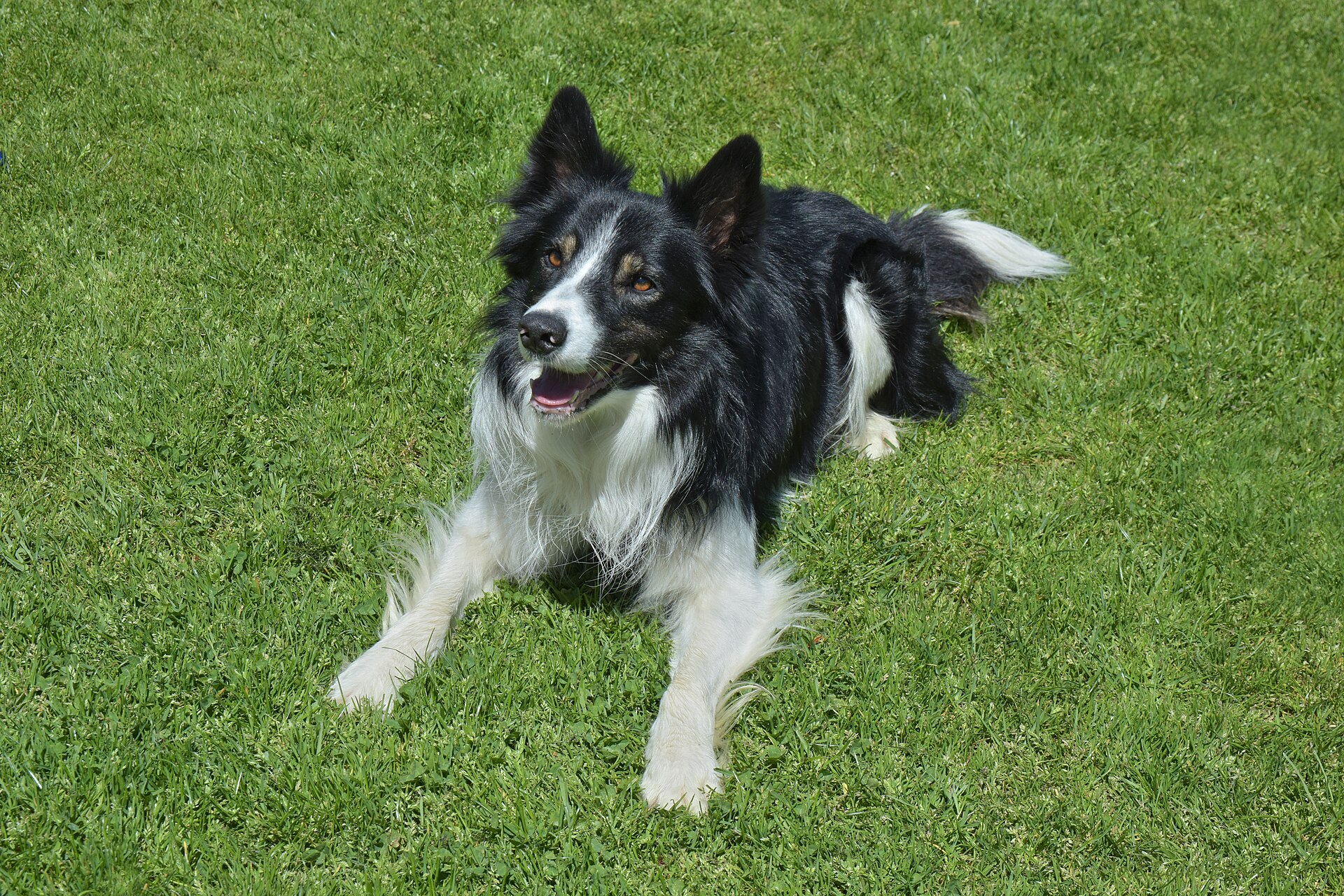
Border Collies learn fast and need a job. Here is how to train one with short, reward-based sessions, a plan by age, and games that work their brain.
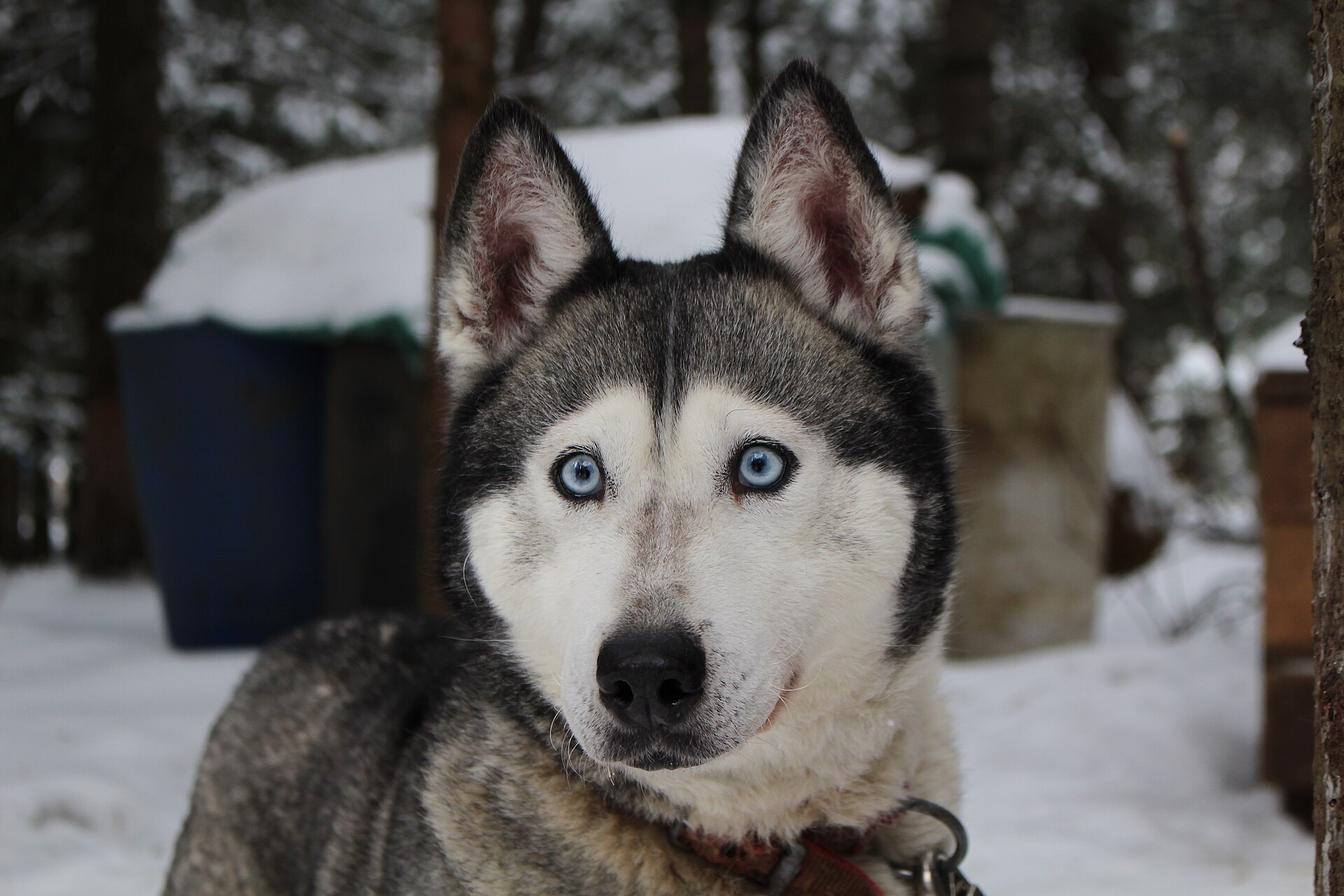
Huskies are friendly, smart, and built to run. Learn how to plan training by age, teach first skills, and manage recall, escaping, and howling.
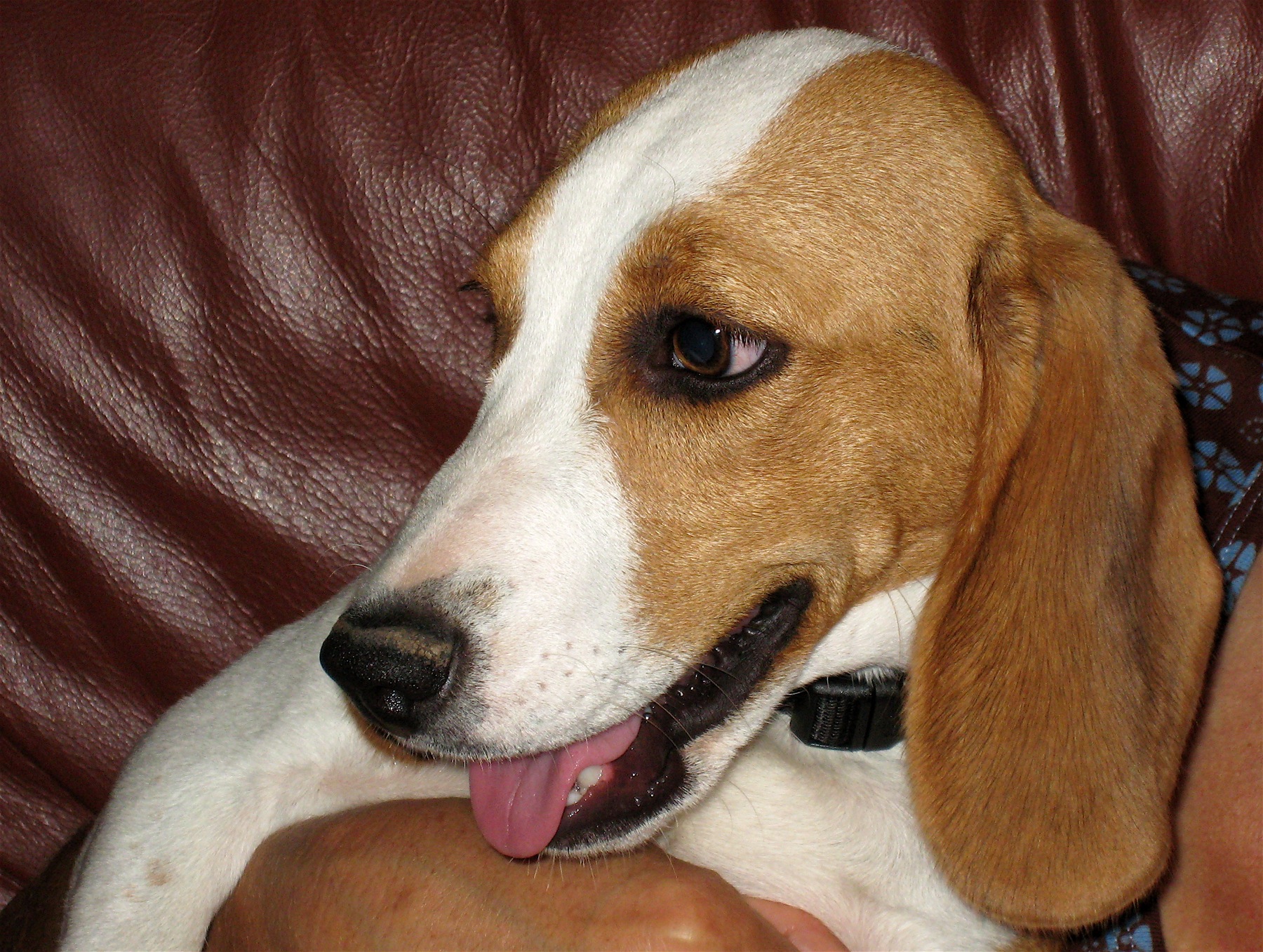
Beagles follow their noses and love food. This guide shows how to use both to teach recall, leave it, and polite manners at every age.
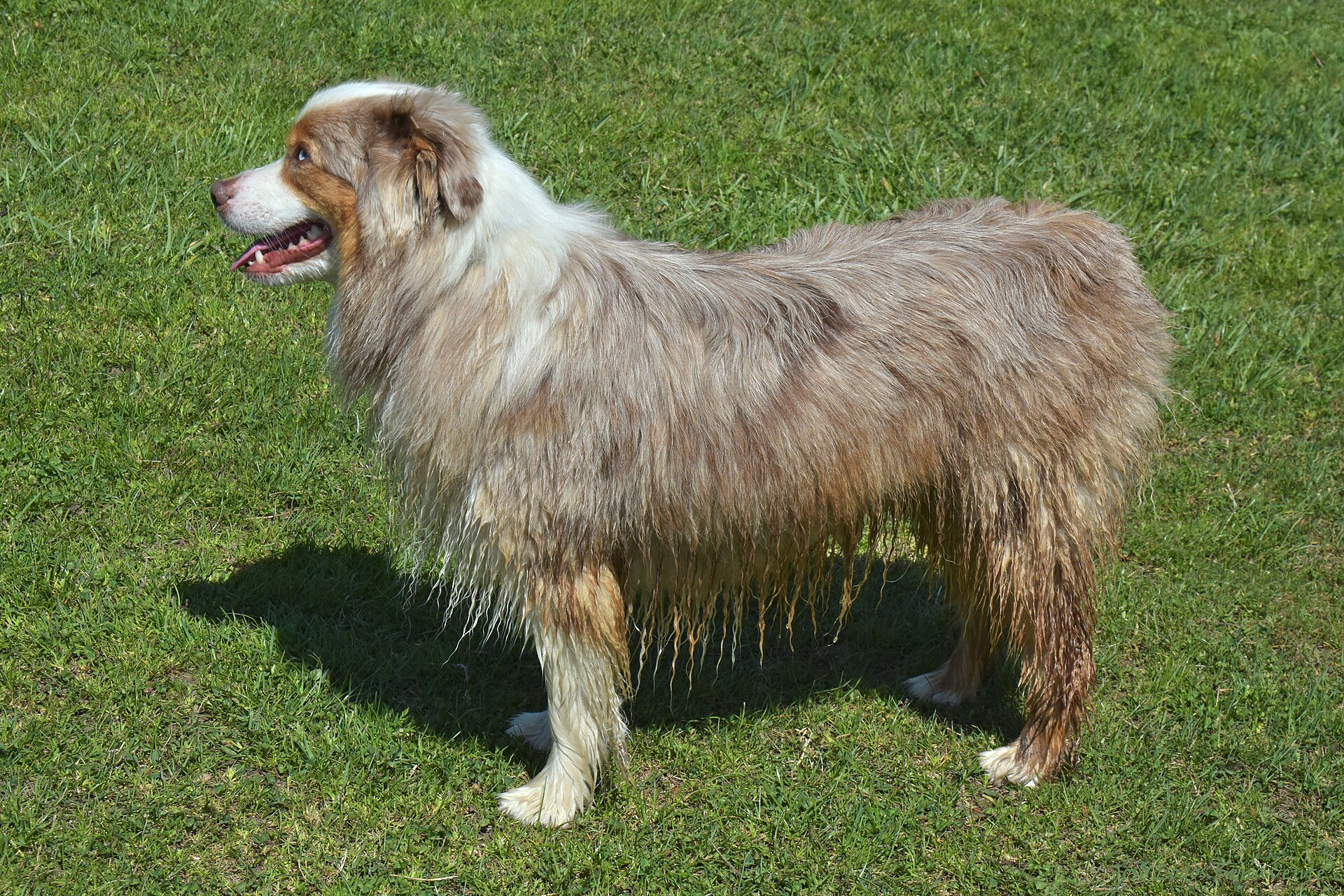
Aussies learn very quickly and need a job. Here is how to plan training by age, which skills to teach first, and how to channel herding energy.
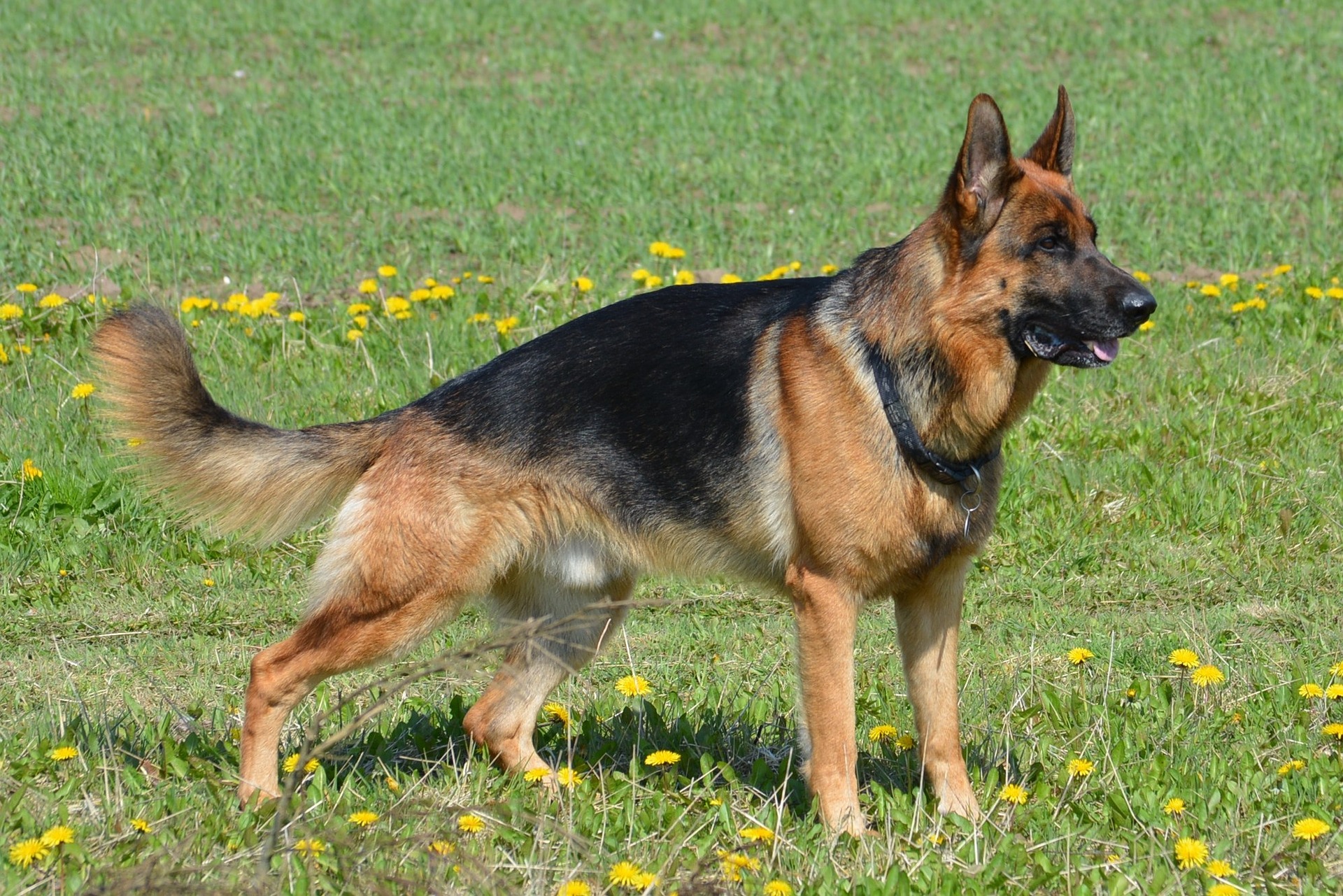
German Shepherds learn fast and need a job. This guide covers what motivates the breed, a training plan by age, and the first skills to teach.
Everything a first-time puppy owner needs, in the order it matters: the first week home, socialization, potty training, and the seven foundations.
A printable cheat sheet of 12 core dog training commands, each with a cue word, a simple hand signal, and what your dog should do, plus a release word to end every cue.
Play dead builds on a solid down. Lure your dog onto their side, build a few seconds of stillness, then add the classic finger gun and “bang” cue.
Roll over builds on down and is taught in small stages with a treat lure. Here is how to teach it step by step, and when it’s better to skip it.
Spin is a fun, beginner friendly trick. Lure a slow circle, fade the treat into a hand signal, add a word, and teach both directions with two cues.
Shake is the classic first trick, and most dogs learn it fast. Here is how to teach it on both paws and turn it into a high five.
Go to place gives your dog a calm job when the doorbell rings or dinner is served. Here is how to teach it on a mat, bed, or cot in six reward-based steps.
Loose-leash walking makes walks calmer for you and more fun for your dog. Learn where to reward, what to do when the leash goes tight, and how to use sniff breaks as rewards.
Leave It teaches your dog to turn away from tempting things and look to you instead. Learn the closed-fist method, how to progress to the floor and walks, and how it differs from Drop It.
A reliable recall gives your dog more freedom and keeps them safe. Learn how to choose a recall word, play recall games, practice on a long line, and build an emergency recall.
Wait is a brief pause that ends with a release word or a new cue. Here is how to teach it in five reward-based steps and use it at doors, the car, and the food bowl.
Teach down with a slow lure from a sit, or use the under the leg tunnel or capturing if your dog won’t follow the treat. Then build a calm, relaxed down.
A complete, reward-based guide to teaching sit: luring, fading the treat, hand signals, capturing, and using sit for polite greetings and doorways.
Teaching your dog their name is the foundation for every other cue. Learn the simple five-step name game, how long it takes, how to rename a rescue dog, and the common mistakes that make dogs tune out.