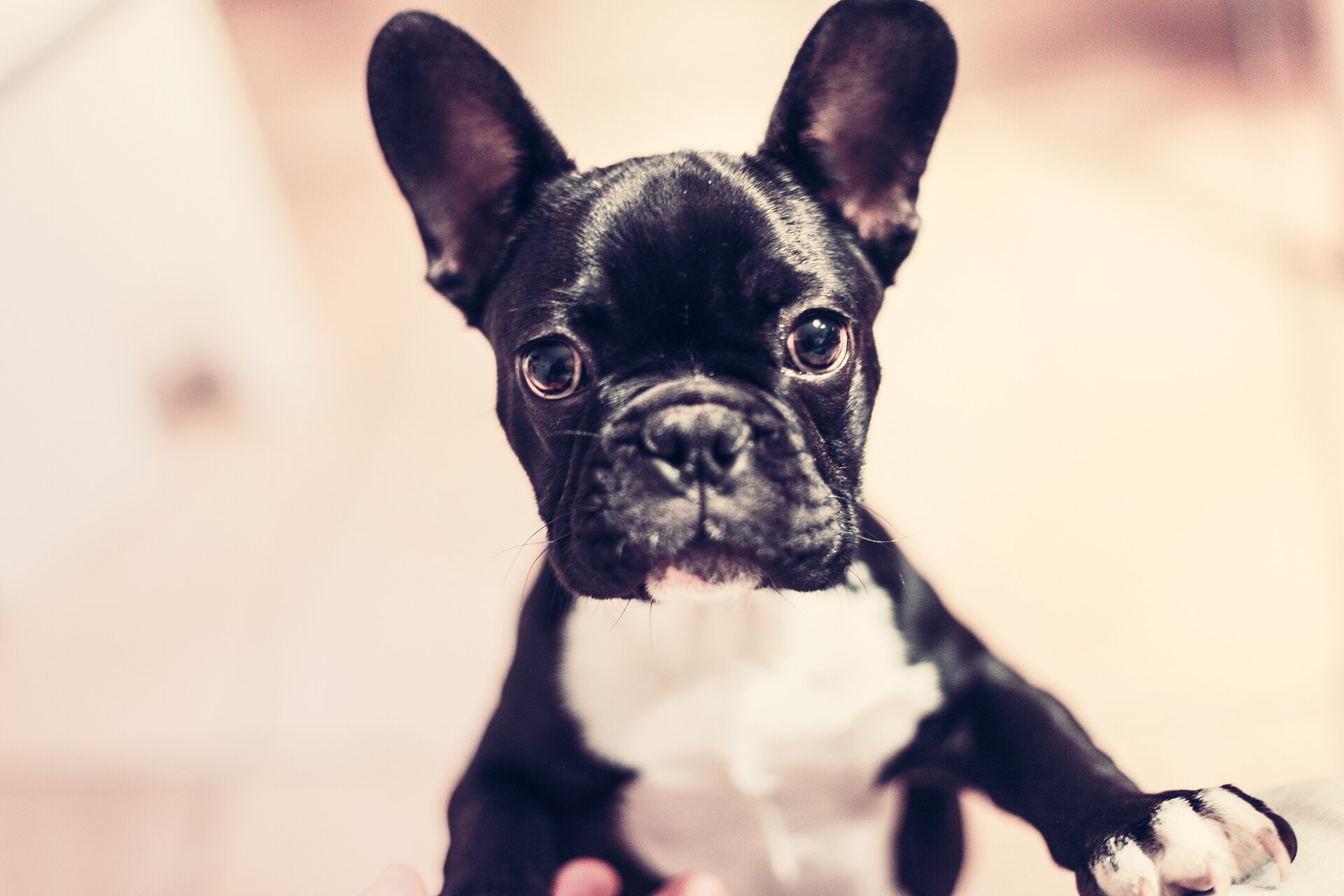
French Bulldog training rewards patience and a sense of humor. Frenchies are small, affectionate companion dogs with big personalities, and most of them are very fond of people. They will happily learn for you when training feels like a game, and they will happily ignore you when it feels like a chore. The trick is finding what your dog loves and keeping sessions short enough that they always leave wanting more.
This guide covers what motivates a French Bulldog, the strengths and quirks to plan for, a training plan from puppyhood to adulthood, and the skills to teach first. Everything here uses reward-based methods, which is exactly what this breed responds to best.
The Short Version
French Bulldog training works best with short, upbeat, reward-based sessions of 2 to 5 minutes, using small food rewards, play, and praise. Frenchies are willing to please but can be stubborn, and they may resist if training feels forceful, so keep it fun and stop while your dog is still interested. Start with the Level 1 Foundations (their name, Sit, Down, and Wait), add crate and potty routines from day one, then move on to Level 2 Everyday Manners like Come When Called and Loose-Leash Walking. Several short sessions a day will get you further than one long one.
At a Glance
- AKC Group
- Non-Sporting
- Bred For
- Companionship; first developed as a small lap pet
- Energy Level
- Moderate; a leisurely daily walk and some indoor or backyard games
- Best Rewards
- Small, tasty food rewards, short games, and attention from you
- First Skill to Teach
- Responding to their name, plus a crate and potty routine
What Motivates a French Bulldog
The French Bulldog descends from Britain’s native Bulldog. Lace makers in Nottingham, England, began selectively breeding a smaller toy Bulldog as a lap pet. When those workers moved to the Normandy area of northern France, they took their little bulldogs with them, and the breed developed from there. The French Bull Dog Club of America sums up the breed’s purpose simply: the French Bulldog is a companion dog. The AKC places it in the Non-Sporting Group and describes Frenchies as playful, alert, adaptable, and known for an even disposition.
That history tells you a lot about training. A French Bulldog was not bred to take direction at a distance or to work for hours. They were bred to be with people, and their strongest motivator is usually you: your attention, your company, and the good things you control. The French Bull Dog Club of America notes that most Frenchies strive to please their owners, and veterinary guidance from VCA Animal Hospitals describes the breed as willing to please but able to be stubborn, adding that they may rebel against forceful methods and do best with reward-based training using food or games.
Put simply, a Frenchie works for a good deal. If what you are offering is worth it and the session is fun, you will see an eager little student. If the reward is boring or the session drags on, your dog may simply sit down and wait you out. That is not defiance. It is a companion dog telling you the game needs to be more interesting.
Training Strengths and Challenges
French Bulldogs bring their own mix of easy wins and sticking points. Knowing them up front helps you set realistic goals.
Strengths
- Very people-focused, which makes your attention a strong reward
- Responds well to reward-based training with food or games
- Adaptable, so they often settle well into apartment and city life
- Generally friendly toward strangers, which helps with social manners
- Calm indoors, so short training sessions fit easily into a busy day
Watch For
- A stubborn streak when training feels like work
- Resisting forceful handling or pressure
- Losing interest in long or repetitive sessions
- Potty training that takes consistency and a good crate routine
- Getting distracted easily once a session stops feeling like a game
None of this makes a Frenchie hard to train. It means you get the best results from short sessions, high-value rewards, and plenty of variety.
A Training Plan by Age
The table below shows a realistic focus at each stage of your French Bulldog’s life, using the site’s skill ladder: Level 1 Foundations, Level 2 Everyday Manners, and Level 3 Tricks. Move on when your dog gets the current skill right at least 4 out of 5 times in a familiar place, and keep reviewing earlier skills as you go.
| Age | Focus Skills | Training Goals |
|---|---|---|
| 8 to 16 weeks | Teach Their Name, Sit | Crate and potty routines, gentle handling, sessions of 1 to 2 minutes, and meeting new people, sounds, and surfaces in a calm, positive way |
| 4 to 6 months | Down, Wait, early Come When Called | Building attention around mild distractions, practicing calm greetings, and getting comfortable with a harness and leash |
| 6 to 12 months | Leave It, Go to Place, Loose-Leash Walking | Adding new places, teaching your dog to settle on a mat, and keeping walks relaxed and sniffy rather than long and fast |
| Adult | Level 3 Tricks like Spin and Shake, plus ongoing manners | Short daily brain games, practicing skills in new places, and keeping training fun so your dog stays engaged |
If you adopt an adult Frenchie, start at Level 1 anyway. A quick review of the Foundations builds trust, shows you what your dog already knows, and gives you both a shared vocabulary before moving on.
Best First Skills for a French Bulldog
All the Level 1 Foundations are worth teaching, but these skills give you the biggest payoff with a Frenchie.
Crate and Potty Routines
The French Bull Dog Club of America notes that a crate-trained puppy is easier to housebreak. Make the crate a pleasant place by feeding meals there and tossing treats inside, and keep it a calm, happy place rather than a time-out spot. Take your puppy outside on a regular schedule, after sleeping, eating, and playing, and reward them the moment they finish going in the right spot. Consistency matters far more than speed here.
Teach Their Name
Your dog’s name should mean “look at me, something good is coming.” Say it once, mark the moment your dog turns toward you with “yes” or a click, and reward. This simple game builds the attention you need for every other skill, and a people-loving Frenchie usually picks it up quickly.
Sit and Down with a Food Lure
Use a treat held at your dog’s nose to guide them into position, then mark and reward. Lure-based training suits Frenchies well because it is gentle and requires no pushing or physical handling. Once your dog follows the lure reliably, fade it into a hand signal and then add the verbal cue. A solid Down also prepares your dog for Level 3 Tricks like Roll Over and Play Dead later on.
Come When Called
Start Come When Called from Level 2 indoors, from just a few feet away, and make arriving at you the best thing that happens all day. Use your most exciting treats and lots of praise. Never call your dog to end something fun or for something they dislike, or they will learn that coming to you is a bad deal.
Exercise, Games, and Enrichment
VCA describes the French Bulldog’s exercise needs as a leisurely daily walk or some backyard games, and the breed tends to be a calm housedog. That makes training games an ideal fit, since they work your dog’s brain without a lot of physical strain. Flat-faced breeds can overheat, so keep training sessions short and cool, and ask your veterinarian about safe exercise limits for your dog.
Short, low-key games are perfect for this breed. Try these:
- Find It, where you toss or hide a treat and let your dog sniff it out
- Food puzzles and snuffle mats, which turn part of a meal into a calm challenge
- Gentle tug with a soft toy, paired with a cue to drop it
- Hand targeting, where your dog learns to touch their nose to your palm, a quick and fun skill that also helps with recall
- Trick training from Level 3, such as Spin and Shake, once the basics are solid
Sniffing on walks counts as enrichment too. Letting your Frenchie explore at their own pace on a relaxed stroll gives them plenty to think about, and it pairs well with practicing Loose-Leash Walking in short stretches.
Common Mistakes
Most training problems with French Bulldogs come from sessions that are too long, too dull, or too pushy. Watch out for these.
- Sessions that run too long. A Frenchie who is bored will simply stop. Keep sessions to a few minutes and end on a success.
- Using pressure or force. Pushing your dog into position or raising your voice tends to make a Frenchie dig in. Lures, markers, and rewards work much better.
- Rewards that are not worth it. If your dog loses interest, try a tastier treat or a quick game. Keep treats very small so they do not add up over a day.
- Inconsistent potty routines. Skipping scheduled trips outside or giving too much freedom too soon slows housetraining. Stick with the crate and the schedule.
- Treating stubbornness as bad behavior. A Frenchie who stops working is usually telling you the session needs to change. Make it easier, shorter, or more fun.
When to Get Professional Help
Some behaviors are beyond everyday training. If your French Bulldog guards food or toys, reacts strongly to other dogs or people, struggles when left alone, or seems anxious or fearful, avoid the situations that trigger the behavior and keep things calm while you find support. Reach out to a certified professional dog trainer or a certified behavior consultant who uses reward-based methods, and check in with your veterinarian if you notice any change in your dog’s health or comfort.
Frequently Asked Questions
These are the questions owners most often ask when they start training a French Bulldog.
Are French Bulldogs Hard to Train?
French Bulldogs are not hard to train, but they do have a stubborn streak. They are willing to please and respond well to reward-based training, especially with food or games. Keep sessions short and fun, and you will usually see steady progress.
How Long Should a French Bulldog Training Session Be?
For puppies, aim for 1 to 2 minutes at a time. For adults, 3 to 5 minutes is plenty. Several short sessions spread through the day work better than one long one, and always stop while your dog is still interested.
What Is the Best Way to Potty Train a French Bulldog Puppy?
Use a crate, a regular schedule, and rewards. Take your puppy out after naps, meals, and play, and reward them right after they go in the right spot. The French Bull Dog Club of America notes that crate-trained puppies are easier to housebreak.
Can French Bulldogs Learn Tricks?
Yes. Once your dog knows Sit, Down, and Wait, try Spin and Shake from Level 3 Tricks. Roll Over and Play Dead build on a strong Down, so add those after your dog’s Down is reliable.