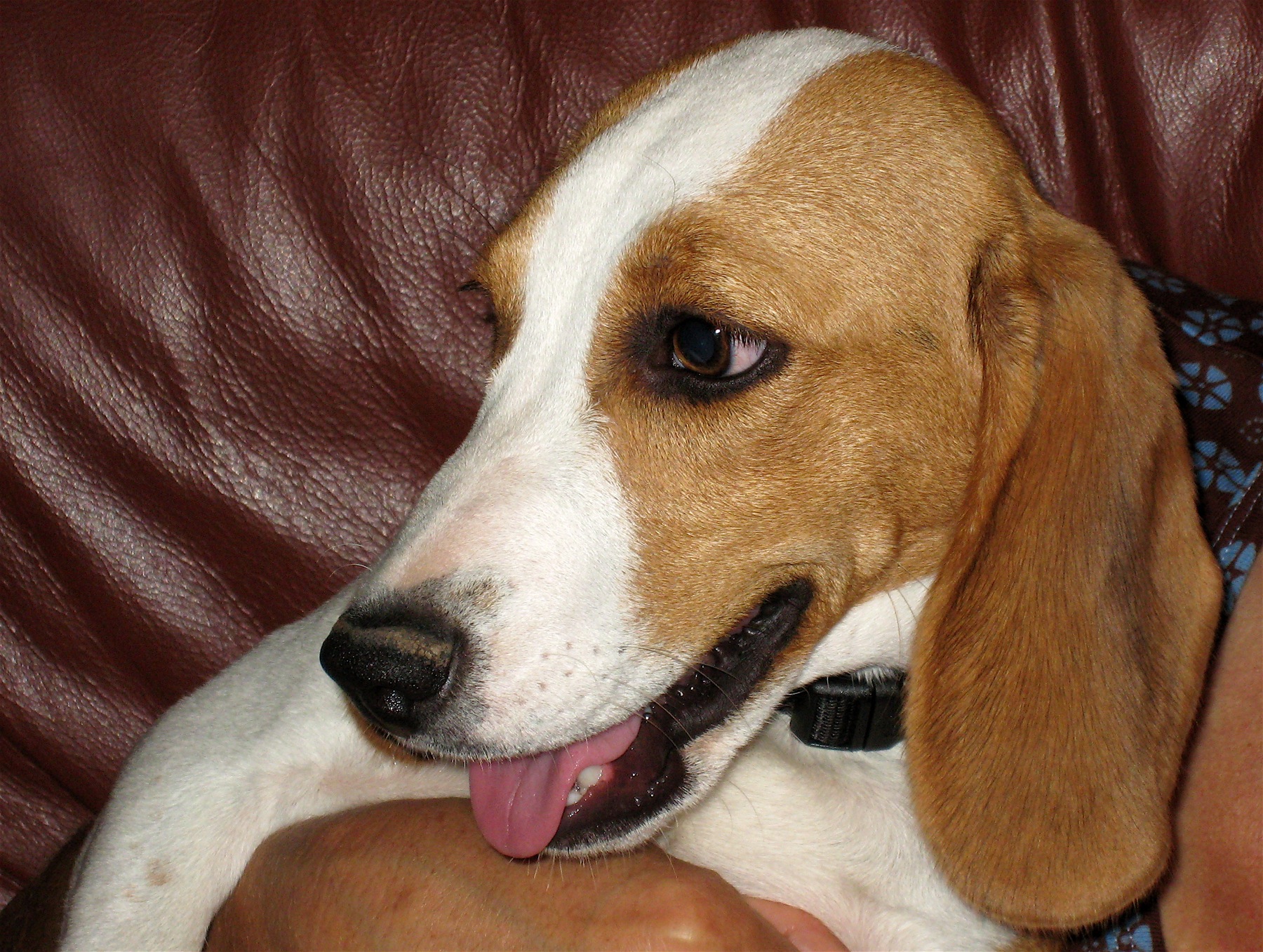
A Beagle sees the world through their nose. These merry little hounds were bred to hunt rabbit and hare in packs, following a scent trail with single-minded focus, and that heritage shows up every time your Beagle drops their head to the ground on a walk. Training a Beagle is not about fighting that nose. It is about making yourself and your rewards worth paying attention to, even when the world smells fascinating.
The good news is that Beagles are cheerful, friendly, and very interested in food, which gives you a powerful training tool. This guide covers what motivates the breed, a training plan from puppyhood to adulthood, the skills to teach first, and games that put that famous nose to good use. Every method here is reward-based, using treats, play, and praise.
The Short Version
Beagle training works best with small, tasty food rewards, short sessions of 3 to 5 minutes, and lots of patience, because the Beagle is a scent hound from the AKC Hound Group bred to follow a trail. Start with the Level 1 Foundations on our skill ladder: Teach Their Name, Sit, Down, and Wait. Then put extra time into two Level 2 Everyday Manners skills, Come When Called and Leave It, since a Beagle’s nose makes both harder than average. Keep your Beagle on leash or in a securely fenced area, and use scent games to give their nose a job.
At a Glance
- AKC Group
- Hound
- Bred For
- Hunting rabbit and hare in packs by scent
- Energy Level
- Active; needs a good amount of mental and physical activity
- Best Rewards
- Small, high-value food treats such as chicken or cheese, plus sniffing time
- First Skill to Teach
- Teach Their Name, followed by Sit
What Motivates a Beagle
The AKC notes that Beagles were bred to hunt rabbit and hare in England, and describes them as an excellent hunting dog and loyal companion. The National Beagle Club of America, the breed’s parent club, explains that Beagles are scent hounds, bred for many, many generations to follow a scent, and that they were bred to live and work in packs. The breed comes in two size varieties in the AKC standard: under 13 inches and 13 to 15 inches at the shoulder.
Those two facts, the nose and the pack, explain most of what you will see in training. A Beagle on a scent trail can become single-minded, and the AKC notes that a Beagle may become frustrated when they cannot follow their nose. That is not stubbornness or a lack of intelligence. It is a dog doing exactly what generations of breeding asked them to do. Because they were bred to work in a group, Beagles also tend to enjoy company and are generally easygoing and sociable.
Food is the other big motivator. The AKC notes that Beagles are particularly receptive to treats during training, and that they do not respond well to harsh training techniques. Patience and positive reinforcement work best. In practice, this means you will get the most from a Beagle by using small, soft, tasty treats, keeping sessions upbeat, and rewarding often.
Sniffing itself can be a reward too. Once your Beagle walks nicely for a few steps or comes when called, releasing them to sniff an interesting patch of grass is a reward they genuinely value. Using the nose as a reward, rather than treating it as the enemy, makes training feel like a partnership.
Training Strengths and Challenges
Beagles are friendly and food-loving, which makes early training fun. The challenges almost all come back to the nose.
Strengths
- Strongly motivated by food, which makes rewards easy to use
- Friendly, merry, and easygoing with people
- Enjoy company, thanks to their pack heritage
- A natural talent for scent games, tracking, and scent work
- Responsive to gentle, positive training
Watch For
- A nose that can override cues once they catch a scent
- Recall that is hard to make reliable around smells
- A strong interest in food, which makes Leave It essential
- Destructive habits when left alone for long periods
- Barking when bored or left alone too long
Because of the nose, the National Beagle Club of America says Beagles must be walked on leash at all times, and recommends a fully fenced yard over an invisible fence. Building good manners still matters a great deal, but safety comes from management first.
A Training Plan by Age
This plan follows our skill ladder, with extra emphasis on the skills that matter most for a scent hound. Treat the ages as a guide and move on when your dog succeeds at least 4 out of 5 times.
| Age | Focus Skills | What to Work On |
|---|---|---|
| 8 to 16 weeks | Teach Their Name, Sit, Down, Wait | Gentle socialization; crate and house training; short treat-based sessions; handling and grooming practice |
| 4 to 6 months | Come When Called, Leave It | Puppy class; recall games indoors and in a fenced yard; Leave It with food on the floor |
| 6 to 12 months | Loose-Leash Walking, Go to Place | Walking on leash past interesting smells; using sniff breaks as rewards; settling at home |
| Adult | Level 3 Tricks: Shake, Spin, Roll Over, Play Dead | Scent work or tracking classes; keeping recall and Leave It sharp; new tricks for mental exercise |
In the first weeks, keep sessions very short and use your puppy’s love of food to build a strong response to their name. This is the start of recall. Introduce new people, sounds, and surfaces in a calm, positive way, and pair each new experience with a treat. Many owners also start practicing gentle handling of paws and ears during this stage.
From 4 to 6 months, put real time into Come When Called and Leave It. These are the two skills a Beagle’s nose challenges most, so start them early and practice them for life. A reward-based puppy class gives you coaching and practice around distractions.
From 6 to 12 months, focus on Loose-Leash Walking. On walks, a scent hound’s nose is always working. Rather than trying to stop sniffing entirely, reward walking at your side, and then release your dog to sniff as a reward. This teaches your Beagle that cooperating with you leads to the things they love.
Best First Skills for a Beagle
Climb the skill ladder in order. Beagles usually learn the basic behaviors quickly because they love treats. The real work is making those behaviors hold up when there is a smell nearby.
Teach Their Name and Sit
Say your Beagle’s name once in a happy voice, and the moment they look at you, mark with a click or “yes” and reward. Practice in a quiet room before trying anywhere with smells. Sit is easy to teach with a food lure moved slowly up and back over your dog’s head, and it gives your Beagle a polite way to ask for food instead of jumping or begging.
Down and Wait
Down helps a busy hound settle and is the base for tricks such as Roll Over and Play Dead later. Wait teaches your dog to pause before going through a door or getting out of the car, which is especially valuable for a breed that may follow a scent away from you. Start with a one-second pause and build up slowly.
Come When Called
Recall is the hardest everyday skill for most Beagles, so treat it as a long-term project. Use your best treats, such as small pieces of chicken or cheese, and never call your dog for something unpleasant. Practice indoors, then in a fenced yard, and use a long line in open areas so your dog stays safe while you build reliability. Even a Beagle with a great recall should stay on leash or in a secure fenced area, as the breed club recommends.
Leave It
A food-loving dog who follows their nose needs a solid Leave It, so this is one of the most useful skills you can teach. Start with a treat in your closed hand and reward your dog for backing away from it. Progress to a treat on the floor under your hand, then uncovered, then to items on walks. Reward generously, since you are asking your dog to give up something they really want.
Loose-Leash Walking and Go to Place
Reward your Beagle every few steps for walking near you, and stop when the leash gets tight. Use sniff breaks as a reward for good walking. At home, Go to Place gives your dog a calm job during meals, which is helpful for a food-loving breed that might otherwise hover by the table.
Exercise, Games, and Enrichment
The AKC says Beagles need a good amount of mental and physical activity and are happiest in an active household. The National Beagle Club of America notes that young Beagles are quite active and do best with a safe, secure yard to play in. Daily on-leash walks with time to sniff are a great start, and they count as both physical and mental exercise for a scent hound.
Scent games are the best enrichment for this breed. Hide treats around a room and encourage your Beagle to find them, then make the hiding spots harder over time. You can also hide treats inside boxes or a snuffle mat. The AKC suggests giving a Beagle a job, and recommends trying AKC Tracking or scent work so they can use their natural skills in an organized way.
Puzzle feeders and food-stuffed chew toys turn mealtime into a project and give your dog something to do while you are busy. Since the AKC notes that Beagles can become destructive when left alone for long periods, giving your dog plenty of activity before you leave and something to work on while you are out is helpful. If your Beagle seems distressed whenever you leave, talk to a certified behavior consultant.
Short training sessions are enrichment too. Teaching Shake, Spin, Roll Over, and Play Dead to an adult Beagle keeps their mind busy and turns treats into a fun daily game.
Common Mistakes
Most Beagle training trouble comes from expecting the nose to switch off.
- Trusting recall too soon. A Beagle who comes perfectly indoors may not come away from a fresh scent. Keep your dog on leash or in a fenced area.
- Using low-value rewards outdoors. Kibble rarely competes with a rabbit trail. Bring small, high-value treats on walks.
- Getting frustrated with sniffing. Sniffing is what Beagles were bred to do. Use it as a reward instead of fighting it.
- Repeating cues. Saying “come” over and over teaches your dog to ignore it. Say it once, then make yourself more interesting.
- Leaving food within reach. Every successful counter raid is a reward. Manage the environment while you build Leave It.
When to Get Professional Help
A reward-based puppy or manners class is helpful for any Beagle. If your dog barks or howls constantly when left alone, guards food or toys, seems fearful, or reacts strongly to other dogs, keep things calm and avoid the situations that trigger it for now. Then contact a certified professional dog trainer or a certified behavior consultant, and check with your veterinarian if behavior changes suddenly.
Frequently Asked Questions
These are the questions Beagle owners ask most often.
Are Beagles Hard to Train?
Beagles are not hard to train in the basics, because they love food and respond well to positive reinforcement. What makes them challenging is their nose. Skills such as Come When Called and Leave It take extra practice, since a good scent can easily outcompete you.
Can a Beagle Ever Be Trusted Off Leash?
The National Beagle Club of America recommends walking Beagles on leash at all times. Even a well-trained Beagle can follow a scent and lose track of you. Practice recall in fenced areas or on a long line, and enjoy off-leash play only in secure, enclosed spaces.
What Are the Best Treats for Training a Beagle?
Small, soft, high-value treats work best. The AKC suggests real chicken, cheese, or liver cut into very small pieces. Keep pieces tiny, and account for training treats in your dog’s daily food so you do not overfeed.
How Do I Keep My Beagle from Following Their Nose on Walks?
You do not have to stop it entirely. Reward walking near you with treats, and release your dog to sniff as a reward for good walking. Teaching Leave It and keeping a predictable sniff-and-walk routine helps your Beagle learn when it is time to move on.