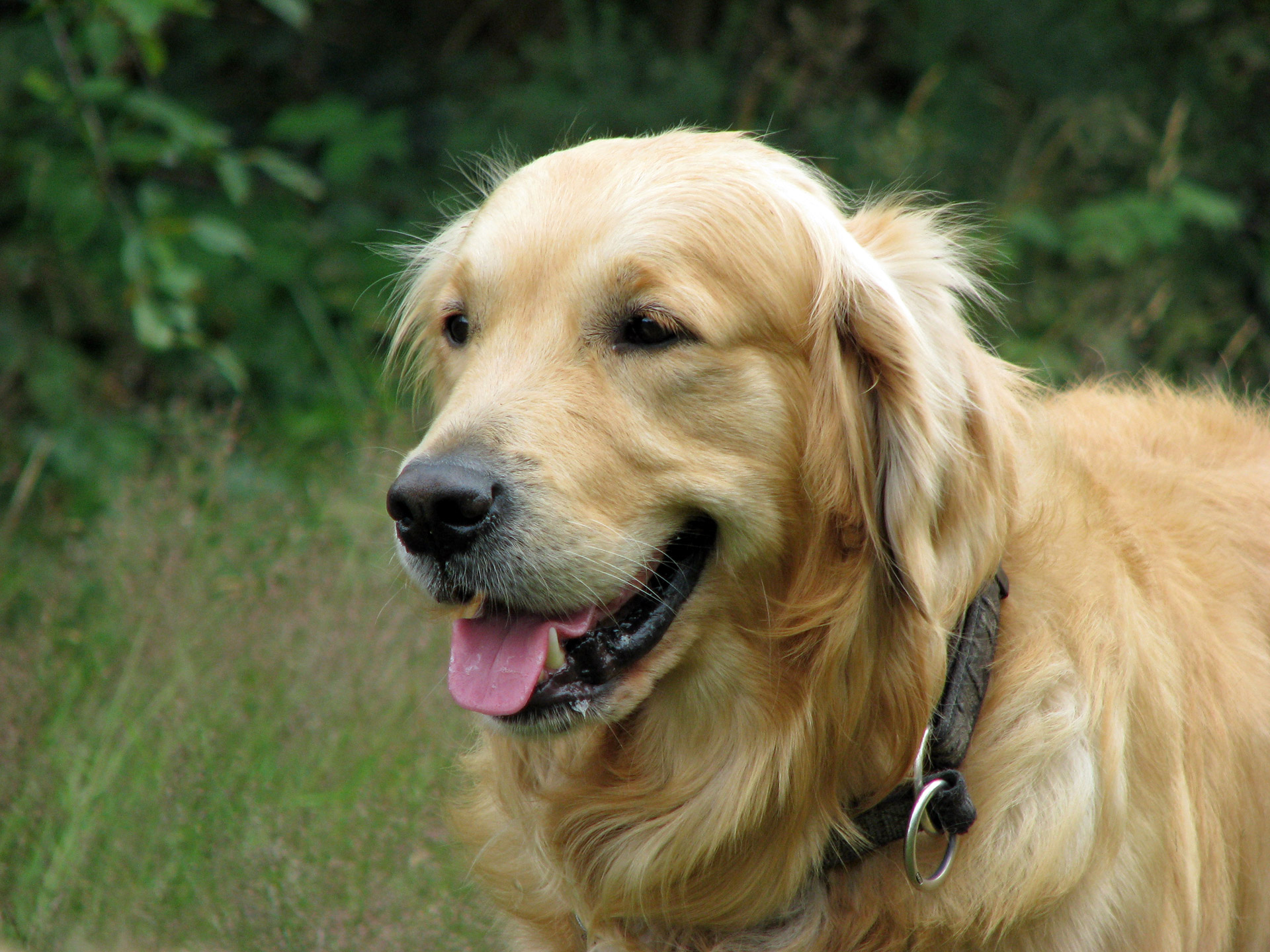
Golden Retriever training is often a pleasure from the very first session. Goldens were bred to work alongside people, they love to retrieve, and they tend to respond quickly and happily to reward-based training. The challenge is usually not getting a Golden to learn. It is channeling all that enthusiasm into calm, polite behavior so your friendly dog does not greet every visitor by leaping into their arms.
This guide explains what motivates a Golden Retriever, the strengths and challenges to plan for, a training plan from puppyhood to adulthood, and the best skills to teach first. All of it uses reward-based methods: markers, food, toys, and play.
The Short Version
Golden Retriever training works best with short, reward-based sessions of 3 to 5 minutes, a few times a day, using food rewards and retrieving games as motivation. Goldens are eager to please and quick to learn, but they can be overly exuberant, so focus early on calm manners and impulse control. Start with the Level 1 Foundations (their name, Sit, Down, and Wait), then move to Level 2 Everyday Manners like Leave It, Loose-Leash Walking, and Come When Called. Use their love of retrieving as a reward, and pair daily exercise with daily training games.
At a Glance
- AKC Group
- Sporting
- Bred For
- Retrieving waterfowl on land and in water
- Energy Level
- Active; needs daily walks, hikes, swims, or play sessions
- Best Rewards
- Food rewards, a thrown toy to retrieve, and praise
- First Skill to Teach
- Responding to their name, followed by Sit for calm greetings
What Motivates a Golden Retriever
The Golden Retriever was first bred in the mid-1800s by Dudley Marjoribanks, known as Lord Tweedmouth, on his estate at Guisachan in the Scottish Highlands. According to the AKC, he wanted a dog that could retrieve waterfowl on land and in water, and he also wanted a breed that was trainable and gentle. The AKC places the Golden Retriever in the Sporting Group and calls it an exuberant Scottish gundog, noting that Goldens are focused workers in hunting, guide, and rescue roles and enjoy obedience and other competitive events.
That history explains a great deal about your dog. A Golden was bred to work cooperatively with a person, take direction, and carry things gently in their mouth. Veterinary guidance from VCA Animal Hospitals describes Goldens as eager to please but able to be overly exuberant, outgoing toward strangers, and fond of retrieving to the point of seeming compulsive. VCA also notes that Goldens respond best to reward-based training using food or retrieving, and that their aptitude for learning and happy attitude make them one of the top breeds for obedience competition.
In practice, you have two powerful rewards to work with: food and the chance to fetch. Use food for precise skills and calm behaviors, and save a thrown toy for big moments, like a fast recall or a great Leave It. A Golden who learns that good manners earn a game of fetch will work hard for you.
Training Strengths and Challenges
VCA rates Goldens highly for ease of training, but every dog has sticking points. Here is what to expect.
Strengths
- Eager to please and quick to learn new cues
- Strongly motivated by both food and retrieving games
- Outgoing and friendly, which makes socializing easier
- Usually gets along well with other pets and dogs
- Enjoys structured work like obedience, retrieving, and dog sports
Watch For
- Overexcited greetings, including jumping on people
- Carrying, grabbing, or mouthing anything they can reach
- Pulling on the leash toward people, dogs, or interesting smells
- Restlessness at home when they do not get enough exercise
- A friendly nature that can make them easy to distract around new people
Most of these challenges come from the same source: a sociable, enthusiastic dog with plenty of energy. Training gives that enthusiasm somewhere to go.
A Training Plan by Age
The table below shows a realistic focus at each stage of your Golden’s life, using the site’s skill ladder: Level 1 Foundations, Level 2 Everyday Manners, and Level 3 Tricks. Move on when your dog gets the current skill right at least 4 out of 5 times in a familiar place, and keep reviewing earlier skills as you add new ones.
| Age | Focus Skills | Training Goals |
|---|---|---|
| 8 to 16 weeks | Teach Their Name, Sit | Crate and potty routines, gentle handling, redirecting mouthing onto toys, short sessions of 2 to 3 minutes, and positive exposure to new people and places |
| 4 to 6 months | Down, Wait, Leave It, early Come When Called | Sitting to greet people, learning to drop toys for a reward, and starting Loose-Leash Walking in quiet areas |
| 6 to 12 months | Go to Place, Loose-Leash Walking, stronger Come When Called | Adding distance and distractions, settling on a mat when visitors arrive, and using fetch as a reward for good manners |
| Adult | Level 3 Tricks like Shake, Spin, Roll Over, and Play Dead, plus ongoing manners | Keeping skills sharp in new places, trying a dog sport, and using training games as daily enrichment |
If you bring home an adult Golden, start with the Level 1 Foundations even if your dog seems to know them. A quick review helps you find gaps and gives you a shared language before you build toward harder skills.
Best First Skills for a Golden Retriever
Every Level 1 skill is worth teaching, but these give you the biggest payoff with a sociable, retrieving breed.
Teach Their Name
Your dog’s name should mean “look at me.” Say it once, mark the moment your Golden turns toward you with “yes” or a click, and reward. This simple attention game becomes your first tool for pulling your dog’s focus away from a new friend across the street or a tennis ball on the grass.
Sit for Greetings
Jumping up is one of the most common complaints about friendly breeds. Teach Sit with a food lure, then practice it whenever someone approaches. Your dog only gets attention while all four paws are on the floor, and visitors can give a treat or a pat when your dog sits. If your dog jumps, the person simply turns away and tries again. Over time, your Golden learns that sitting is how they say hello.
Leave It and Drop It
Goldens love to carry things, which means socks, shoes, and remote controls can all end up in their mouth. Leave It, from Level 2 Everyday Manners, teaches your dog to turn away from something before they pick it up. A trade game teaches them to let go of something they already have: offer a treat, say your release word as your dog drops the item, and reward. Practicing trades often makes giving things up feel like a good deal rather than a loss.
Come When Called, Rewarded with Fetch
Start Come When Called indoors, then in a fenced yard, and reward a great recall with a toss of a favorite toy. For a Golden, the chance to retrieve can be more exciting than any treat. Use a long line in open spaces until your dog comes back reliably around real distractions.
Exercise, Games, and Enrichment
VCA notes that Goldens can be calm indoors, but only with adequate exercise, and recommends daily walks, jogs, hikes, or play sessions. Swimming and retrieving are favorites. The Golden Retriever Club of America describes Goldens as family members who are equally comfortable with a hike, a swim, a romp in the snow, or a snuggle on the sofa. A dog who gets enough activity is much easier to train, because they can focus during sessions instead of bouncing off the walls.
Training games are also a great way to tire your Golden’s brain. These work especially well:
- Fetch with a Wait before each throw, which builds impulse control into a game your dog already loves
- Find It, where you hide treats or a toy and let your dog search with their nose
- Retrieve to hand, where your dog brings the toy back and places it in your palm for a reward
- Food puzzles and scatter feeding, which turn part of a meal into a calm challenge
- Trick training from Level 3, such as Shake and Spin, once the basics are solid
If you and your dog enjoy working together, a beginner class in obedience, rally, or another dog sport is a great outlet for a Golden’s love of learning. Look for an instructor who uses reward-based methods.
Common Mistakes
Most training problems with Goldens come from rewarding excitement by accident or not channeling their natural love of carrying things. Avoid these.
- Rewarding jumping by accident. Petting or talking to a dog who jumps teaches them that jumping works. Give attention only when all four paws are on the floor.
- Chasing your dog for stolen items. Running after a Golden with a sock turns it into a game of keep-away. Trade for a treat instead and practice Leave It.
- Skipping leash manners while your dog is small. Pulling that is cute in a puppy is much harder to manage in a full-grown Golden. Start Loose-Leash Walking early.
- Too little exercise. An under-exercised Golden struggles to focus. Plan daily activity and short training sessions together.
- Letting everyone greet your dog however they like. If some visitors reward jumping, your dog will keep trying it. Ask guests to wait for a Sit before saying hello.
When to Get Professional Help
Some behaviors are beyond everyday training. If your Golden guards food or toys, reacts strongly to other dogs or people, has trouble being left alone, or seems anxious or fearful, keep things calm and avoid the situations that trigger the behavior while you find support. Contact a certified professional dog trainer or a certified behavior consultant who uses reward-based methods, and talk to your veterinarian if anything seems off with your dog’s health.
Frequently Asked Questions
These are the questions owners most often ask when they start training a Golden Retriever.
Are Golden Retrievers Easy to Train?
Golden Retrievers are generally very trainable. VCA rates them highly for ease of training and notes they are one of the top breeds for obedience competition. Their main challenge is enthusiasm, so focus on calm manners like Sit for greetings and Loose-Leash Walking.
When Should I Start Training My Golden Retriever Puppy?
Start the day your puppy comes home, often around eight weeks old. Begin with their name, Sit, crate and potty routines, and gentle handling, in sessions of just two or three minutes.
How Do I Stop My Golden Retriever Puppy from Mouthing?
Keep a toy handy and redirect your puppy onto it whenever they mouth your hands. If your puppy keeps mouthing, calmly pause the game for a few seconds, then try again. Reward gentle play and practice trades often.
What Rewards Work Best for a Golden Retriever?
Most Goldens love small food rewards and the chance to retrieve a toy. Use food for precise skills and calm behaviors, and save a thrown toy for big successes like a fast recall.
What Tricks Can a Golden Retriever Learn?
Once Sit, Down, and Wait are solid, try Shake and Spin from Level 3 Tricks. Roll Over and Play Dead build on a reliable Down, so add those after your dog’s Down is strong.