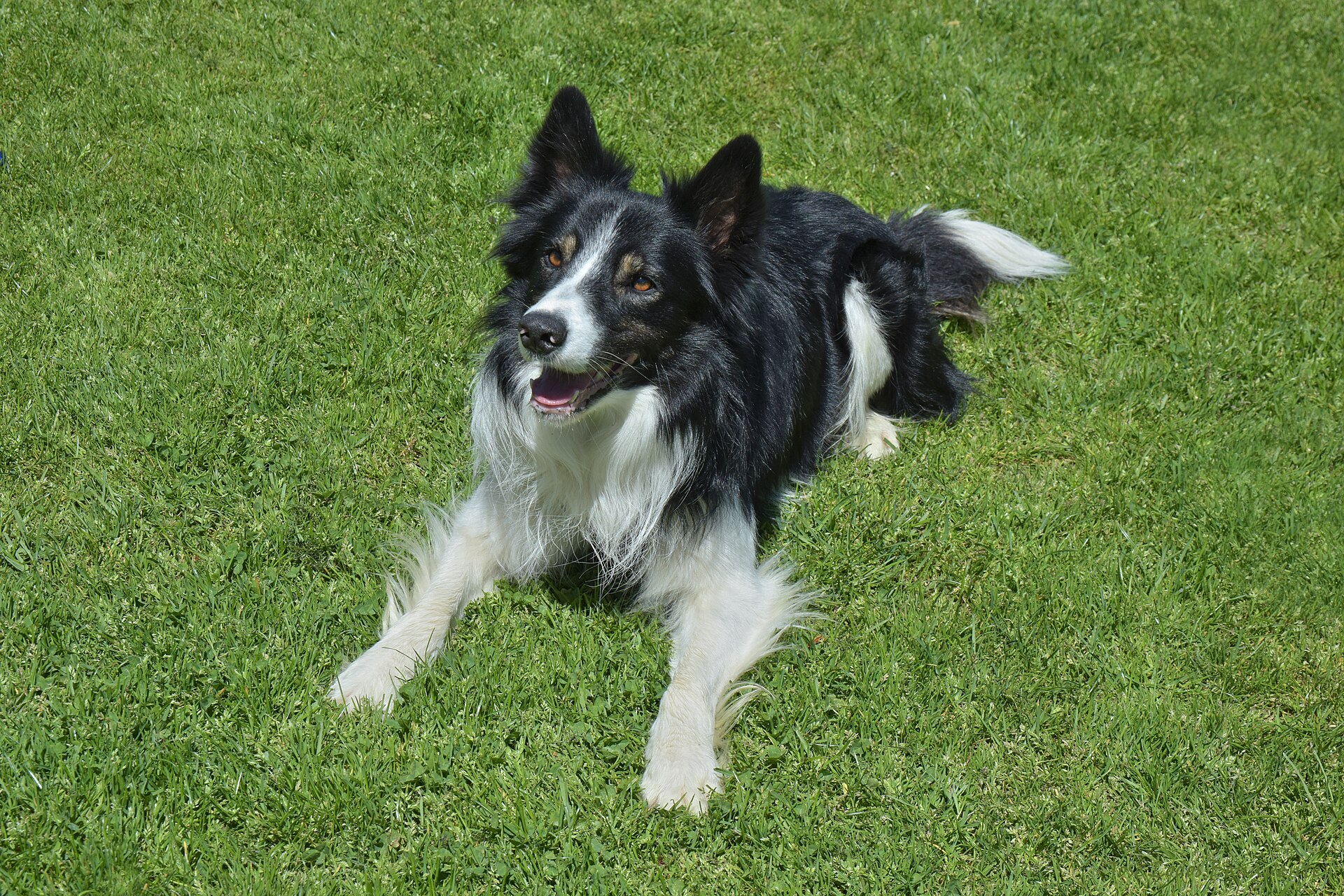
Border Collie training is less about getting your dog to learn and more about giving a very quick learner something useful to do with that brain. Border Collies were bred to work closely with a person, read small signals, and move with purpose, and those same traits make them a joy to train. They also mean a bored Border Collie will invent a job of their own, and you may not like the one they choose.
This guide walks you through what drives the breed, which skills to teach first, how to plan training from puppyhood to adulthood, and how to use games and enrichment so your dog gets the mental workout they need. Everything here uses reward-based methods: markers, treats, toys, and play.
The Short Version
Border Collie training works best with short, frequent, reward-based sessions of 3 to 5 minutes, several times a day, using a marker like “yes” or a clicker and rewards your dog loves, especially toys and games of chase. Start with the Level 1 Foundations (their name, Sit, Down, and Wait), then build impulse control and focus with Leave It, Go to Place, and Come When Called. Because the breed was developed to herd sheep and tends to fixate on movement, teach your dog to turn away from motion and check in with you early. Pair daily physical exercise with daily brain work, because a Border Collie needs both to settle well at home.
At a Glance
- AKC Group
- Herding
- Bred For
- Herding sheep in the border country between Scotland and England
- Energy Level
- Very high; needs daily physical and mental activity
- Best Rewards
- Tug, a thrown toy, food rewards, and the chance to keep working
- First Skill to Teach
- Responding to their name, followed by Sit and Wait
What Motivates a Border Collie
The Border Collie comes from the border country between Scotland and England, where the working collie became one of the most valuable assets a flock owner could have. According to the AKC, the vast flocks of sheep in that region could not have been managed without the tireless work of these dogs. Breeders selected for both physical ability and herding instinct, and sheepdog trials helped identify the best working dogs. The AKC places the breed in the Herding Group and describes the Border Collie as a remarkably bright workaholic.
That history explains what motivates your dog today. A Border Collie is wired to watch, to wait for a signal, and then to move. Veterinary guidance from VCA Animal Hospitals describes the breed as extremely focused, prone to fixating on tasks or movement, highly intelligent, and eager to work, while noting that they do best with training that is structured, consistent, and mentally challenging. In practice, the most powerful reward for many Border Collies is the chance to do something: chase a toy, play tug, or earn the next cue. Food works well too, especially for precise, calm skills, but you will often get your best effort when the reward involves movement.
The breed’s focus is a gift in training, but it cuts both ways. The same dog who will stare at you for minutes waiting for the next cue may stare just as hard at the cat, a rolling ball, or a passing bike. Much of your work with a Border Collie is teaching them where to point all that attention.
Training Strengths and Challenges
Every breed brings its own mix of easy wins and sticking points. Here is what to expect with a Border Collie.
Strengths
- Learns new cues quickly and notices small changes in your body language
- Highly motivated by play, which gives you a reward you can carry anywhere
- Strong focus on a handler, which helps with attention and recall work
- Thrives on structured activities like agility, herding, and obedience
- Usually enjoys training sessions as much as any other activity
Watch For
- Fixating on movement, including cars, bikes, joggers, and other pets
- Trying to herd children, animals, or objects around the home
- Learning unwanted habits just as fast as wanted ones
- Boredom and restlessness when they do not get enough mental work
- Being somewhat reserved with strangers, so new people may need an introduction
None of these challenges means a Border Collie is difficult. They mean you need a plan, because this breed rarely does nothing. If you do not give your dog a job, they will look for one.
A Training Plan by Age
The table below shows a realistic focus for each stage of your Border Collie’s life. The skill names follow the site’s skill ladder: Level 1 Foundations, Level 2 Everyday Manners, and Level 3 Tricks. Move on to new skills when your dog gets the current one right at least 4 out of 5 times in a familiar place, and keep reviewing earlier skills as you go.
| Age | Focus Skills | Training Goals |
|---|---|---|
| 8 to 16 weeks | Teach Their Name, Sit, early Wait | Short sessions of 2 to 3 minutes, gentle exposure to new people, places, and sounds, crate and potty routines, and learning that turning toward you pays off |
| 4 to 6 months | Down, Wait, Leave It, early Come When Called | Building impulse control around moving objects, practicing calm greetings, and starting a reliable “check in” habit on walks |
| 6 to 12 months | Go to Place, Loose-Leash Walking, stronger Come When Called | Adding distance and distractions, teaching your dog to settle on a mat between games, and using structured play as a reward |
| Adult | Level 3 Tricks like Spin, Shake, Roll Over, and Play Dead, plus ongoing manners | Daily brain work, trying a dog sport, and keeping Level 1 and Level 2 skills sharp in new places |
Adult Border Collies, including rescues, follow the same order. Start with the Level 1 Foundations even if your dog seems to know them, because a quick review shows you where the gaps are and gives you a shared language before you add harder skills.
Best First Skills for a Border Collie
Any dog benefits from the Level 1 Foundations, but a few skills matter even more for this breed because they directly address its biggest instincts.
Teach Their Name as an Attention Cue
Your dog’s name should mean “look at me,” and for a Border Collie it is also your first tool for breaking a stare. Say the name once, mark the moment your dog turns toward you with “yes” or a click, and reward. Practice when your dog is mildly distracted, then gradually when something interesting is moving nearby. A dog who can pull their eyes away from motion when they hear their name is a dog you can steer.
Wait and Leave It for Impulse Control
Wait teaches your dog to pause before going through a door, out of the car, or toward their food bowl. Leave It, from Level 2 Everyday Manners, teaches them to turn away from something they want. Together they give a fast, reactive breed a built-in pause button. Start Leave It with a treat in your closed hand, and once your dog understands it, practice with a toy rolling slowly across the floor. Reward heavily when your dog looks back at you instead of chasing.
Go to Place for an Off Switch
Many Border Collies have plenty of go but need help learning how to stop. Go to Place teaches your dog to lie down on a mat or bed and relax there. Build up the duration slowly, rewarding calm behavior on the mat, and use it between rounds of play so your dog learns that settling is part of the game. Since Go to Place works best when your dog already has a solid Down, teach Down first.
Come When Called, Built on Play
A strong recall matters for every dog, and for a breed that may want to chase moving things it is essential. Practice Come When Called in a quiet space first, and reward with a short game of tug or a thrown toy when your dog arrives. Making the recall itself feel like the start of a game is often more motivating than food alone. Use a long line in open areas until your dog’s recall is reliable around real distractions.
Exercise, Games, and Enrichment
VCA describes the Border Collie’s activity level as very high and recommends significant daily exercise that includes both physical and mental activity. Walks and running are part of the picture, but they are not the whole answer. A dog who only gets physical exercise can simply get fitter and still be restless at home. The goal is a balance of movement and thinking.
Training itself is one of the best forms of enrichment. Two or three short sessions a day, each just a few minutes long, can tire your dog’s brain in a way a long walk cannot. Mix familiar skills with something new, and end each session while your dog still wants more.
Games that work especially well for this breed include:
- Tug with rules, where your dog takes the toy on a cue and lets go on a cue, which builds impulse control during play
- Fetch with a Wait before each throw, so your dog practices pausing before they chase
- Find It games, where you hide treats or a toy and let your dog use their nose to search
- Food puzzles and scatter feeding, which turn mealtime into a calm problem to solve
- Trick training from Level 3, such as Spin and Shake, which gives your dog new challenges once the basics are solid
Border Collies excel at competitive herding, agility, tracking, and other organized sports. If your dog loves to work, a beginner class in a sport like agility, herding, or nose work can be a rewarding outlet for both of you. Look for an instructor who uses reward-based methods.
Be careful with games that let your dog fixate for long stretches, like chasing a laser pointer or shadows. These games have no clear end and can feed the breed’s tendency to lock onto movement. Toys your dog can actually catch and bring back give the chase a satisfying finish.
Common Mistakes
Most training problems with Border Collies come from too little structure or too much of the wrong kind of excitement. These are the ones to avoid.
- Relying on exercise alone. Long runs without any brain work can build a fitter dog who is still restless. Add short training sessions and puzzle games every day.
- Long, repetitive sessions. A bright dog gets bored doing the same thing for 20 minutes. Keep sessions short and varied, and stop while your dog is still keen.
- Letting chasing become a habit. Every time your dog gets to chase a car, bike, or the cat, the habit gets stronger. Manage the environment and teach Leave It and a strong name response early.
- Skipping the off switch. Many owners only teach action cues. Teach Go to Place and reward calm behavior so your dog learns how to relax.
- Accidentally rewarding pushy behavior. If barking or nudging gets you to throw the ball, your dog will do more of it. Ask for a calm Sit or Down first, then reward with play.
When to Get Professional Help
Some behaviors go beyond everyday training. If your Border Collie lunges or barks at cars, people, or other dogs, guards food or toys, struggles when left alone, or seems anxious, keep your dog at a comfortable distance from the trigger and avoid situations that set off the behavior while you get help. Contact a certified professional dog trainer or a certified behavior consultant who uses reward-based methods, and talk to your veterinarian if anything seems off with your dog’s health. Getting help early is much easier than undoing a habit that has had months to grow.
Frequently Asked Questions
These are the questions owners most often ask when they start training a Border Collie.
Are Border Collies Easy to Train?
Border Collies learn very quickly and usually love training, so teaching new cues is often easy. The harder part is managing their energy and focus, since they can learn unwanted habits just as fast. Short, structured, reward-based sessions and plenty of mental exercise make the process much smoother.
When Should I Start Training My Border Collie Puppy?
Start the day your puppy comes home, which is often around eight weeks old. Begin with their name, Sit, and simple Wait exercises, in sessions of just two or three minutes. Puppies this age learn best through play and food rewards.
How Do I Stop My Border Collie from Herding the Kids?
Supervise play between your dog and children, and give your dog something else to do when the kids are running around, such as lying on their mat with a chew. Teach Leave It and Go to Place, and reward your dog for calm behavior when people move quickly nearby. If herding comes with nipping you cannot redirect, ask a certified trainer for help.
Is a Border Collie a Good Dog for a First-Time Owner?
A Border Collie can work for a first-time owner who has the time and interest to train and exercise their dog every day. The AKC notes the breed can be a lot for owners without the time, energy, or means to keep it occupied. If you are excited about training and dog sports, you may find it a wonderful match.
What Tricks Should I Teach a Border Collie First?
Once Sit, Down, and Wait are solid, start with Spin and Shake from Level 3 Tricks, since they are quick to learn and fun to practice. Roll Over and Play Dead build on a reliable Down, so add those after your dog’s Down is strong.